
Does Trump Smell Bad?
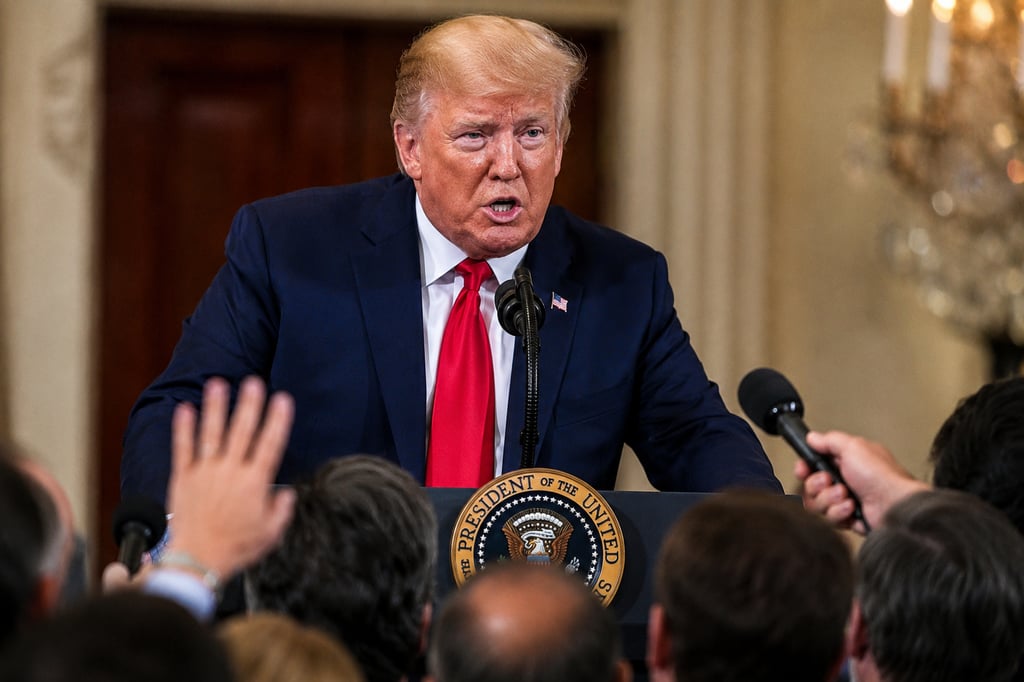
The unusual viral debate over whether or not Donald Trump has an odor is explored in this piece. It reviews rumors about the internet, political satire, the media's narrative and the social psychology of it all. How did memes, celebrity culture and modern politics turn a silly question into an on-going Internet discussion which continues to grow as people comment on this across their various forms of Social Media and News Commentary?
5/8/20265 min read
Why We're All Talking About It
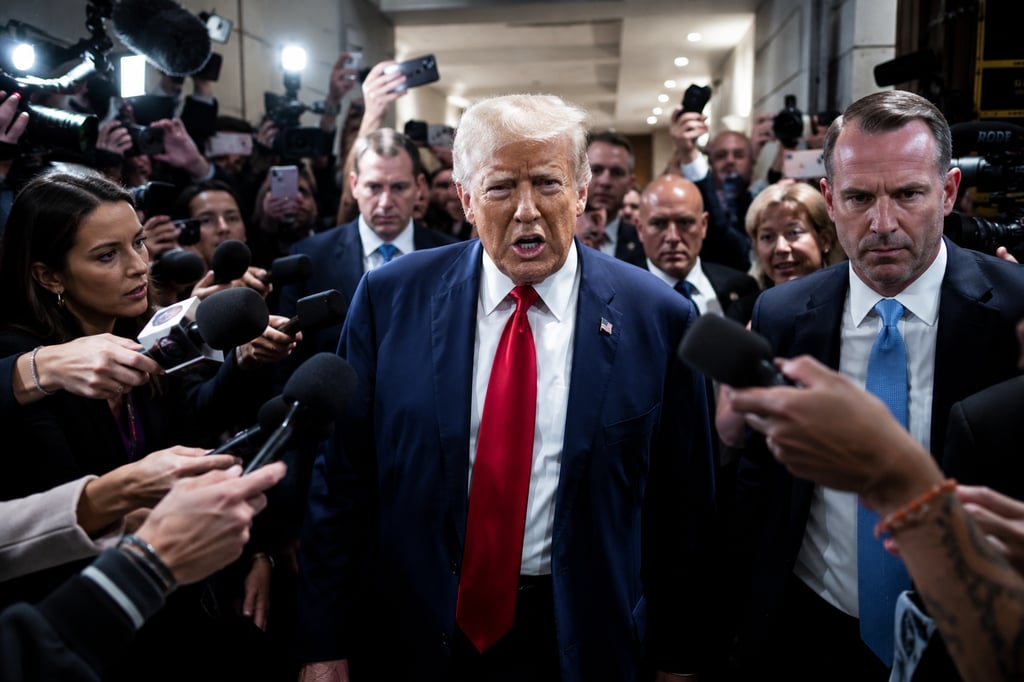
Each presidential campaign brings a number of unusual ways of thinking about the candidates, but none of these ways is quite as odd and persistent as the online debate over whether Donald Trump has body odor. The debate seems silly when you think about it. But, every four years during an election cycle, there are always some other topics that become unusual topics of conversation. This time around, it seems to be whether or not Donald Trump smells bad. While some people say he uses too much bronzer or hairspray, others see the conversation as nothing more than petty insults meant to distract voters from actual issues.
What we find interesting about this debate isn't what the issue is about; it's how modern politics works. We no longer judge our public officials just based on their policies and speeches. As a result, every aspect of a person's life - such as their looks, posture, voice, eating habits, etc., - can be turned into a piece of a larger story told by the media. With Donald Trump's large presence in the media, there is a lot of speculation regarding his body odor.
Celebrity Politics and Physical Appearance
Before becoming president, Donald Trump had been known to the public for decades. He was already a famous business man, TV personality, and tabloid figure. As a result, people tend to talk about him in much the same way they would a movie star or musician. For example, people look at his hair style, tanning routine, face expressions and wardrobe choice for hours and criticize him for everything.
Tabloids and Entertainment Shows Have Been Using Exaggerated Quirks for Decades
For decades tabloids and entertainment programs have been successful due to sensationalized personal traits. Many times comedians will use those same exaggerated traits to create funny jokes about their opponents. Claims about someone having body odor or smelling like something else are particularly good examples of this type of humor. They are provocative, impossible to verify from a distance and crazy enough to cause rapid online sharing.
Social Media Rewards Outrageous Commentary
Engagement is rewarded more when a post is outrageous than if it were to calmly explain a policy. Posts that state Trump smells like fast food, hairspray or old cologne will get lots of shares and views because they are outlandish and visual.
How Did the Rumors Start?
Much of the online rumors of Trump smelling badly comes from second-hand accounts. Critics, former employees and unnamed sources have all made unsubstantiated claims about Trump using far too much perfume or makeup. Those claims are then shared in meme format, reaction video format, etc... until they appear bigger than they actually are.
Another reason the rumors continue is because of Trump's distinct brand. He dresses differently than most Americans and makes a conscious effort to project a certain image. He appears regularly on television wearing very heavily applied makeup. Regardless of whether those perceptions are correct, that is beside the point.
Political Insults Have Always Involved Physical Characteristics
Accusations concerning physical appearance are not unique to today's elections. Candidates in U.S. elections have been ridiculed for decades regarding their weight, facial hair, clothes and overall health. What has changed is how quickly and with less decorum that ridicule occurs now thanks to social media.
Psychology Behind Why People Are So Interested in Smells
Smell has a connection to humans' feelings of trust and how we feel toward someone. There is research in psychology that suggests smell affects perception more than people understand. Since scent connects us back to our instincts, claiming a politician smells poorly can elicit strong emotional responses regardless of factuality.
Critics who call a politician smelly typically aren't trying to scientifically prove anything; they are making symbolic arguments. When someone accuses a politician of smelling bad, they are usually implying discomfiture (the politician being uncomfortable), unnaturalness (the politician being too showy) or excessiveness (the politician going beyond normal). Loyal supporters defend their candidate against such criticism because they perceive the attack as either dishonest or disrepectful. Thus, the debate turns tribal.
As mentioned previously, Trump's highly divisive personality fuels this effect.
Entertainment Also Plays a Role
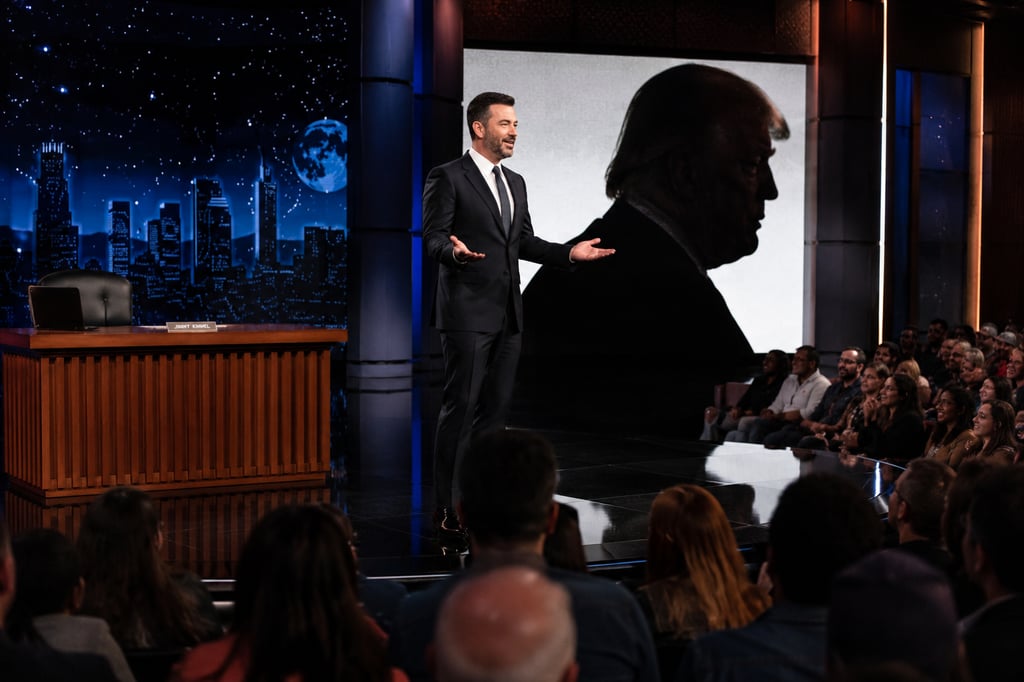
Late night hosts and online creators rely on exaggerated descriptions of sensory experiences in order to craft funnier jokes. Jokes comparing a politician to burnt hairspray or cheeseburgers paint an instant picture in viewers minds. Such pictures get shared instantly as opposed to nuanced descriptions about economic policies or international relations.
Media, Meme Culture and Contemporary Political Discourse
"Does Trump smell?" represents a significant shift in how we discuss contemporary politics. Campaigns today function within an ongoing entertainment-based system where memes battle each other as well as factual reporting. Politicians are viewed simultaneously as celebrities, brands and web personalities.
Emotional Reactions Dominate Over Nuanced Analysis
Viral clips, extreme rumors and comedic insults garner more views and shares than serious policy explanations. Whether or not an individual claim is verifiable rarely matters compared to how engaging it is.
Throughout his career, Trump has relied on media spectacle and public awareness to promote himself. Supporters contend that perpetual ridicule reinforces his outsider persona; critics believe ridicule exposes arrogance and exaggeration.
Finally:
The "does Trump smell bad?" debate also exemplifies how difficult it is to disconnect the person from the politics in our digital age. Today more than ever citizens assess their leaders via emotional impressions rather than through direct knowledge. Nobody knows the truth regarding Trump's supposed body odor; most people commenting on his alleged stench have never been near enough to know.
Ultimately, the debate says more about internet behavior than hygiene.
People enjoy sharing unbelievable stories simply because they evoke emotional responses and social interaction. Trump has developed into one of the most recognizable and divisive public figures globally; therefore, he is inevitably going to be subject to this type of conversation.
Ultimately the question might be less relevant than why millions of people keep talking about it.
Frequently Asked Questions
Q1. Why do people make fun of Trump smelling bad?
Mostly jokes originate from internet culture, satirical comedy, and outrageous commentary instead of real proof.
Q2. Has anybody proven any of the rumors?
No reputable public organization has confirmed Donald Trump smells bad.
Q3. Why does the topic seem to pop up so often on social media?
Because outrageous/humorously written statements are popular posts on social media platforms
Q4. How is it that this subject has become a trending topic on-line so often?
Because ridiculous and funny claims do very well in social media venues.
Q5. Is this a new form of political mocking?
No. Throughout u.s. History politicians have been insulted by their opponents as to how they look, speak, groom themselves or are perceived as being physically healthy.
Related Reading: Story of Trump staffers saying his 'terrible body odor' obstructs his agenda is pure satire
Contact
Reach out for inquiries or assistance
Email: info@jmaforjudge.com
Phone:
(312) 603-5030
ADDRESS
50 W. Washington St.
Chicago, Illinois 60602