
Is Trump a Facist?
This blog provides a review of the debate on whether or not Donald Trump can be considered to be fascist by examining the historical definition of fascism and his own political behavior as well as his style of leadership and public rhetoric. It also includes perspectives from both critics and supporters while discussing how polarization in today's politics has been enhanced by modern media.
5/8/20265 min read
Is trump a Fascist?
Labels are loaded with emotion; particularly "Fascist" as a label. As an example of political labeling, we hear the term "Fascist," in all-too-frequent and heated debates, arguments, and campaign speeches; however, few individuals understand what historically, fascism means. Debates among Supporters and detractors of former u.s. President Donald Trump have occurred regarding not just his actions, but how to refer to the actions.
There are two groups of debaters - One group believes trump's leadership style exemplifies the authoritarian qualities associated with fascism; whereas another group believes that the comparison to fascism is far too exaggerated and based on politics. In order to fairly examine this topic, we will need to look at the history of the term, the study of political science, and the actual behavior exhibited by trump during his tenure in office.
Historical Definition of Fascism
In general terms, fascism refers to a type of political ideology that is characterized by authoritarian control, aggressive nationalism, suppression of opposing viewpoints, and the concentration of power into the hands of a single leader. Both benito mussolini (Italy) and Adolf Hitler (Germany), who were leading proponents of Fascist ideologies, refused to recognize or support the democratic traditions in their respective countries. Additionally, both mussolini and hitler emphasized the importance of loyalty to the state above individual freedoms. Propaganda was typically utilized by Fascist governments; attacks were made on the press; oppositional voices were intimidated; and emotional appeals were made using either fear or national identity.
While most political scientists agree that fascism is a specific form of governance that has been described as weakening democratic institutions and limiting competitive politics, they emphasize that the application of this label to contemporary politicians should be supported by factual evidence rather than emotional reactions.
Why Do Critics Use Language cCmparing Trump to Past Leaders Who Were fFascists?
Critics of trump continually reference his rhetoric and actions as reasons why he should be compared to past Fascist leaders. While running for president and after being elected president, trump consistently verbally assaulted journalists and referred to adverse media coverage as "fake news." Critics believe that these types of statements contributed to the loss of credibility in journalism, which created an atmosphere where hostility towards journalists became acceptable.Critics also referenced trump's messages of strong nationalism, harsh treatment of immigrants entering the United States, and the constant demands for loyalty from his political allies.
Critics' final major area of concern involved trump's responses to the outcome of the 2020 presidential election. Although there were multiple court decisions and investigations that concluded there was no large-scale voter fraud, trump continually stated that the election had been stolen. He subsequently attempted to influence local and state officials to alter the results of the election. Additionally, trump's encouragement of violence at the u.s. Capital building on January 6 further exacerbated criticisms that he was challenging democratic norms for his own political interests.
Scholars and writers contend that trump's behaviors are indicative of authoritarian movements, which put loyalty to a leader above constitutional authority. They feel that trump's method of communication, attempts to undermine governmental institutions, and populist-style messages are similar to previous authoritarian leaders. However, scholars assert that the u.s. Continues to function democratically.
Why do Supporters Refuse to Call Him a Fascist?
There are millions of people who support trump and vehemently reject calling him a Fascist. They assert that the term is used almost solely as a pejorative term to discredit conservative politicians and promote political divisiveness. Supporters claim that although trump was a divisive figure, he operated within constitutional limitations while he was president. Moreover, trump did not abolish elections; suppress opposition parties; nor did he directly take control of television networks.
Supporters additionally suggest that institutions in america remained intact during trump's presidency. Judges continually ruled against him throughout his administration; journalists constantly wrote negative articles about him; and opposition candidates continued to run for election without being suppressed by the government. Supporters believe that these facts demonstrate that america has never experienced a government like Fascist governments
Additionally, Supporters of conservative politicians interpret trump's nationalism-related messages as centered around issues related to jobs, border protection and u.s. Manufacturing rather than issues related to authoritarianism. Furthermore, Supporters believe that trump's abrasive demeanor is representative of populist leadership styles rather than Fascist ideologies. Therefore, Supporters of conservative politicians believe that comparing trump to hitler or mussolini diminishes the atrocities committed by actual Fascist governments.
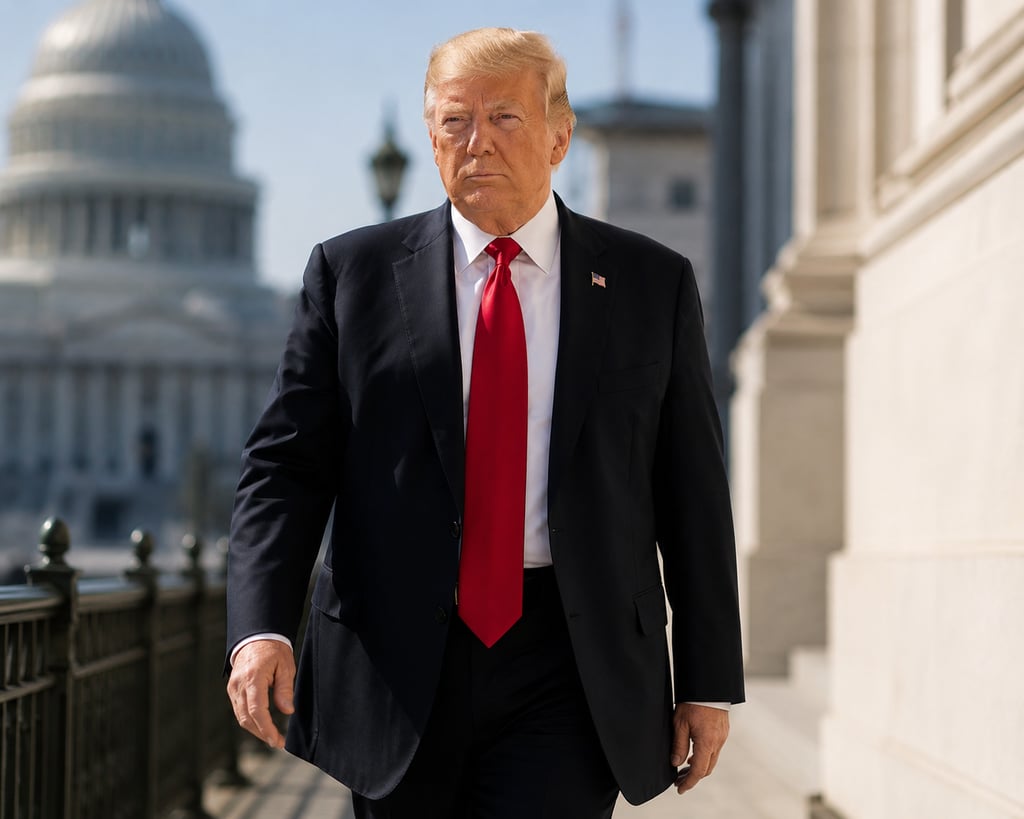
Differences Between Authoritarianism and Fascism
Part of why this Debate is contentious is because many people misunderstand political terminology. Authoritarian behavior and Fascist behavior share some similarities. However, they are not equivalent. An individual can exhibit authoritarian tendencies without establishing a Fascist-type system. Political experts have termed trump as a populist nationalist with authoritarian characteristics instead of a traditional Fascist.
It is critical for us to distinguish between these two terms for several reasons. First, words matter; therefore, misusing terms reduces thoughtful political analysis to emotionally charged conflicts. Second, if every person who is viewed as a political enemy is referred to as a Fascist then the term loses its original historical meaning and becomes useless for determining potential dangers to democracy.
On the other hand, ignoring warnings about democratic norms may also be detrimental. Democracies rely upon institutions, public trust and peaceful transitions of power. Critics believe that citizens should remain vigilant concerning any leader who undermines these democratic norms regardless of their party affiliation.
Debate Reflects Larger Divisions in America
Q1. The Debate over whether trump represents a form of fascism illustrates larger divisions within american society. People now tend to view their political opponents as enemies of the country rather than merely people with differing ideas. Such an environment allows for extreme language and emotional reactions rather than rational dialogue.
Q2. Whether trump meets the criteria for being classified as a Fascist ultimately depends on whether someone classifies the term broadly or narrowly. Historians, political scientists, journalists and voters continue to discuss the question since trump has uniquely blended elements of populist rhetoric, institutional conflict and democratic processes.
Q3, Regardless of whether you think trump is dangerous, misunderstood, authoritarian or unconventional - productive discussion about our current state is more important than outrage from any side of the aisle.
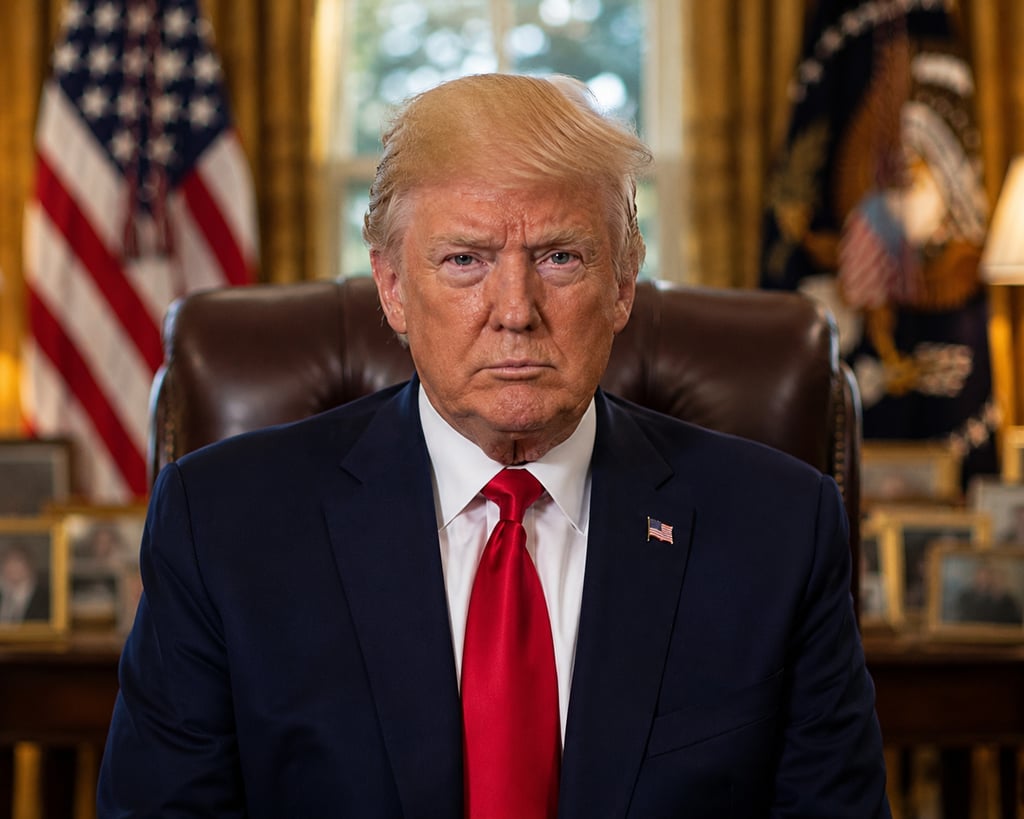
Frequently Asked Questions
1.) Why do some individuals compare trump to fascists?
Critics point to his use of rhetoric; his attacks on institutions; and his challenges to the outcomes of elections as examples of authoritarian behavior.
2.) Are experts unified in their opinions regarding classification?
No. Experts/scholars/writers continue to disagree whether or not the label appropriately describes trump.
3.) Was the u.s., under trump's leadership a Fascist government?
Despite maintaining elections; having an independent judiciary; and allowing opposition parties to compete in elections, the u.s. Government did not qualify as a Fascist government under trump's leadership.
4.) Why does this issue evoke so much passion/emotion?
The passions evoked by this Debate are due in part to ideological identities regarding democracy.
Related Readings: The theatricality and the threat: Is Donald Trump a fascist?

Contact
Reach out for inquiries or assistance
Email: info@jmaforjudge.com
Phone:
(312) 603-5030
ADDRESS
50 W. Washington St.
Chicago, Illinois 60602